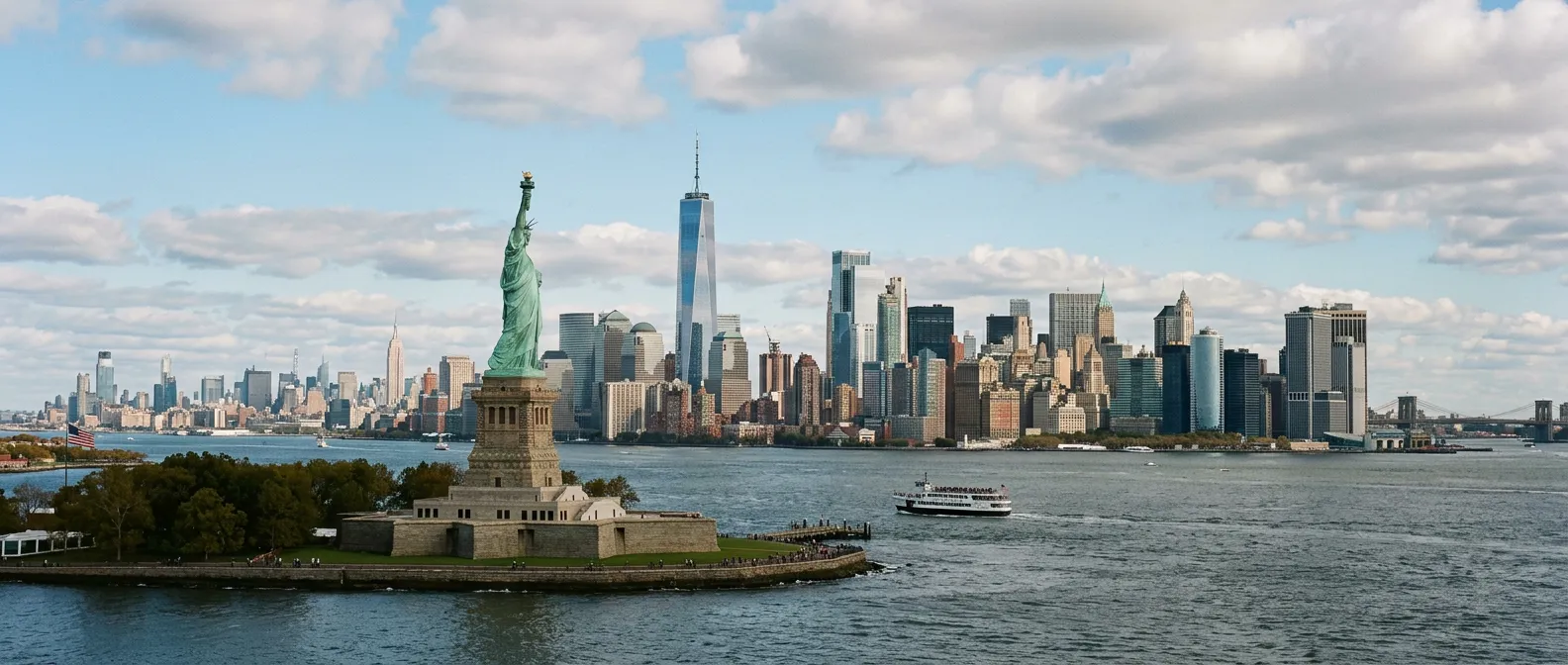
The B-1 business visa is the official nonimmigrant visa for foreign nationals visiting the United States for temporary business activities. Whether you are attending a conference in New York, negotiating a contract in Chicago, or consulting with partners in San Francisco, the B-1 visa is the document that makes it legal.
This guide covers everything you need to know about the USA business visa in 2026 — from eligibility and fees to the step-by-step application process.
What Is the USA Business Visa (B-1)?
The B-1 visa is a temporary visitor visa issued by the U.S. Department of State. It allows foreign nationals to enter the United States for short-term business activities of a commercial or professional nature.
Most applicants receive a combined B-1/B2 visa, which covers both business (B-1) and tourism (B-2) purposes. This gives you the flexibility to attend a business meeting during the week and explore national parks on the weekend — all under one visa.
The B-1 visa is not a work visa. You cannot accept employment from a U.S. employer or receive payment from a U.S. company while on B-1 status.
What Can You Do on a B-1 Business Visa?
U.S. Citizenship and Immigration Services (USCIS) specifies the following permitted activities under the B-1 category:
- Consulting with business associates
- Attending scientific, educational, professional, or business conventions and conferences
- Negotiating contracts
- Settling an estate
- Participating in short-term training
- Transiting through the United States (certain travelers)
- Deadheading (certain air crew members)
Common real-world examples include:
- Attending a trade show or industry conference
- Meeting with U.S.-based clients or suppliers
- Signing contracts or closing business deals
- Participating in board meetings of a foreign company with U.S. operations
- Conducting market research for a foreign employer
- Attending professional development seminars
What You Cannot Do on a B-1 Visa
The B-1 visa has clear restrictions. You cannot:
- Work for a U.S. employer or receive salary/payment from a U.S. company
- Study full-time at a U.S. institution
- Enter the U.S. as a professional performer for paid engagements
- Stay permanently or attempt to immigrate
- Provide skilled or unskilled labor in the U.S. labor market
If your activities go beyond temporary business, you will need a different visa category — such as an H-1B (specialty occupation), L-1 (intracompany transfer), or O-1 (extraordinary ability).
B-1 Visa Requirements and Eligibility
To qualify for a B-1 business visa, you must demonstrate all of the following:
1. Legitimate Business Purpose
Your trip must serve a genuine commercial or professional purpose. You need to clearly explain what business you will conduct and why it requires your physical presence in the United States.
2. Temporary Stay
You must intend to remain in the U.S. for a specific, limited period. You should be able to show a return ticket or a clear timeline for your departure.
3. Sufficient Funds
You need to prove you can cover all expenses during your trip — accommodation, meals, transportation, and incidentals — without working illegally in the U.S.
4. Ties to Your Home Country
This is often the most critical factor. You must demonstrate strong binding ties to your home country, such as:
- A permanent job or business abroad
- Property ownership
- Family members who depend on you
- Financial assets in your home country
Consular officers want to be convinced that you will return home after your business is complete.
5. Admissibility
You must be otherwise admissible to the United States. This means no disqualifying criminal history, previous immigration violations, or security concerns.
Required Documents for the B-1 Visa Interview
Gather the following documents before your consular interview:
Mandatory documents:
- Valid passport (must be valid for at least 6 months beyond your planned stay)
- DS-160 confirmation page with barcode
- Visa application fee receipt ($185)
- One recent passport-style photograph meeting State Department specifications
- Interview appointment confirmation
Supporting documents (strongly recommended):
- Letter from your employer confirming your position, salary, and purpose of travel
- Invitation letter from the U.S. business partner or conference organizer
- Proof of financial means (bank statements for the past 3-6 months)
- Evidence of ties to your home country (property deeds, employment contracts, family documents)
- Travel itinerary and hotel reservations
- Previous passports showing prior U.S. travel and visa compliance
- Business registration documents (if self-employed)
How to Apply for a USA Business Visa: Step-by-Step
Step 1: Complete Form DS-160 Online
Fill out the DS-160 Nonimmigrant Visa Application on the State Department website. The form asks about your background, travel plans, employment history, and purpose of visit.
After submission, print the confirmation page with the barcode. You will need it for your interview.
Step 2: Pay the Visa Application Fee
The standard B-1 visa application fee is $185 USD. This fee is non-refundable, even if your application is denied.
Payment methods vary by country. Check your local U.S. embassy or consulate website for accepted payment options. Keep your receipt — you need it to schedule the interview.
Step 3: Schedule Your Visa Interview
Most applicants aged 14-79 must attend an in-person interview at a U.S. embassy or consulate. Schedule your appointment through the U.S. Visa Information Service for your country.
Wait times vary dramatically — from 7 days to over 2 years depending on the location and season. Apply well in advance, especially if you have a fixed business event date.
Step 4: Attend Your Visa Interview
Arrive at the embassy or consulate on time with all your documents organized. The interview typically lasts 10-15 minutes. The consular officer will ask about:
- The purpose of your business trip
- Your employer and job responsibilities
- Your ties to your home country
- How you will fund your trip
- Your previous travel history
Answer honestly and confidently. If the officer needs additional documents, they will tell you what to provide (this is called being put in “administrative processing”).
Step 5: Receive Your Visa
If approved, your passport will be returned with the visa stamp. Processing typically takes a few days to a few weeks, depending on your country and whether additional administrative processing is required.
B-1 Visa Fees Summary
| Fee Type | Amount | Notes |
|---|---|---|
| Application fee (MRV fee) | $185 | Non-refundable, paid by all applicants |
| Visa Integrity Fee (2026) | $250 | May be refundable after visa expiration |
| Reciprocity/issuance fee | Varies | Depends on your nationality |
| Total (most nationalities) | $435+ | Plus any reciprocity fee |
B-1 Visa Validity and Duration of Stay
| Detail | Duration |
|---|---|
| Visa validity | Up to 10 years (multiple entry), varies by nationality |
| Maximum stay per visit | 6 months (180 days) |
| Initial admission period | 1 to 6 months (CBP officer decides at port of entry) |
| Maximum with extension | Up to 1 year total on a single trip |
Your exact length of stay is determined by the Customs and Border Protection (CBP) officer when you arrive. The date is recorded on your Form I-94 (Arrival/Departure Record).
If you need to stay beyond your I-94 date, you must file Form I-539 (Application to Extend/Change Nonimmigrant Status) with USCIS before your authorized period expires. Extensions are not guaranteed.
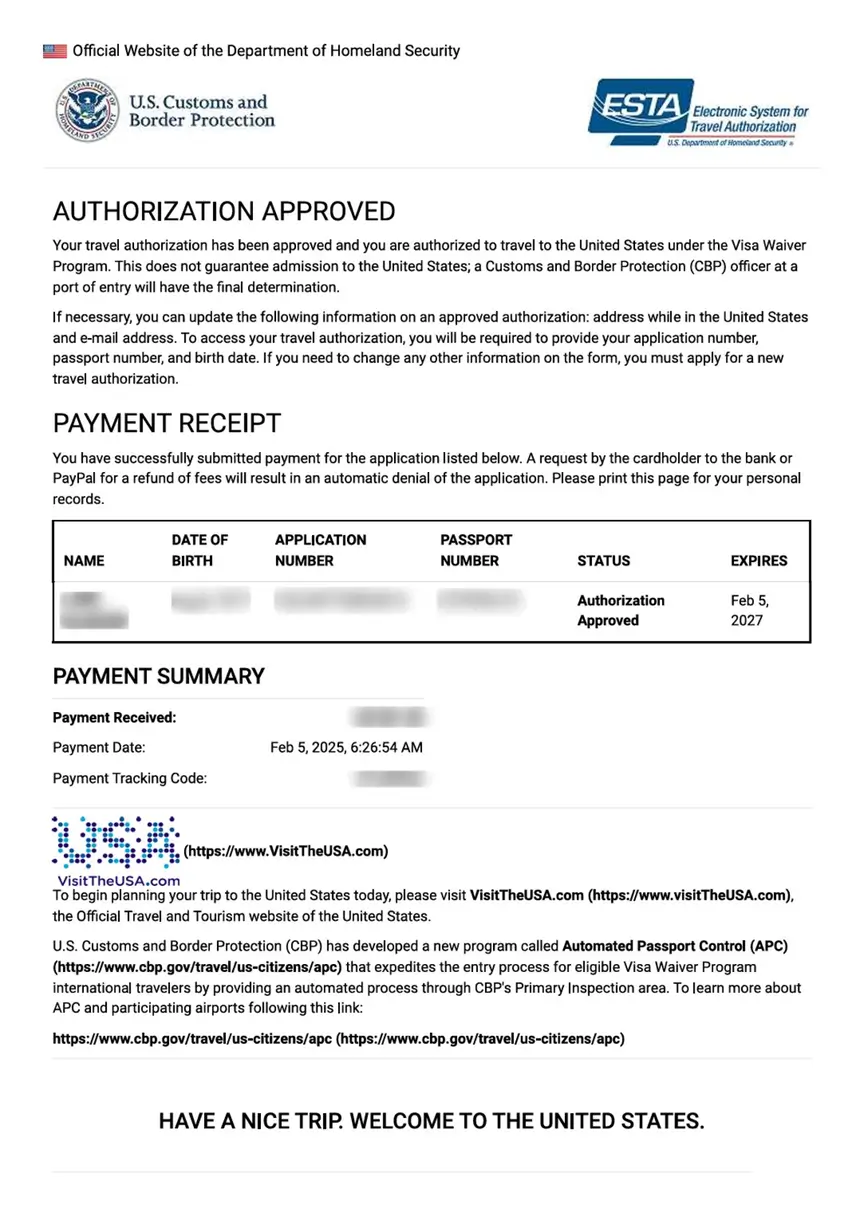
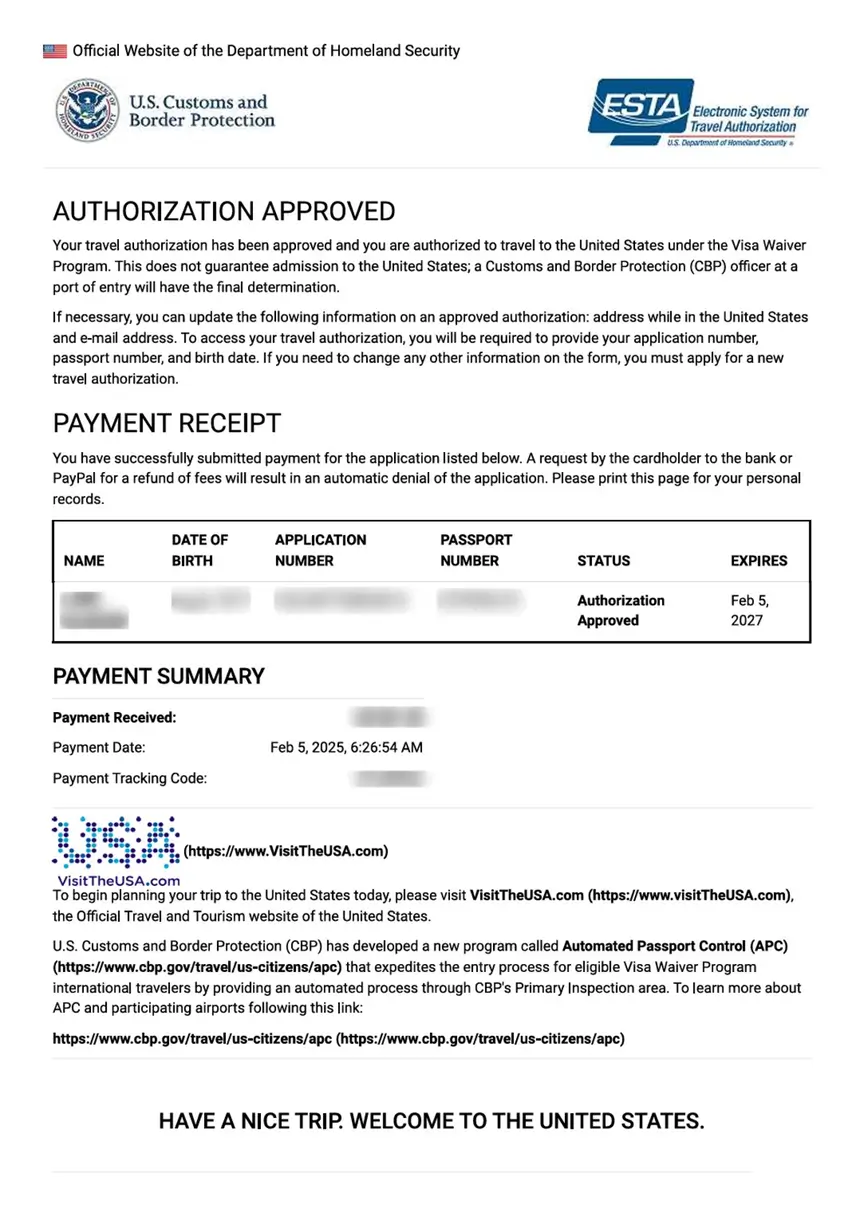
B-1 vs. ESTA (Visa Waiver Program): Which Do You Need?
If you are from one of the 42 Visa Waiver Program (VWP) countries, you may be able to visit the U.S. for business using ESTA instead of a B-1 visa. Here is how they compare:
| Feature | B-1 Visa | ESTA (VWP) |
|---|---|---|
| Eligible nationalities | All countries | 42 VWP countries only |
| Validity | Up to 10 years | 2 years |
| Maximum stay | 6 months | 90 days |
| Extendable | Yes (Form I-539) | No |
| Business activities | Broad range | Limited (same as B-1) |
| Cost | $185+ ($435+ with integrity fee) | $21 + $19.27 = $40.27 |
| Interview required | Yes | No |
| Application time | Weeks to months | Minutes to 72 hours |
ESTA is faster and cheaper, but it limits you to 90-day stays with no option to extend. If your business trip might exceed 90 days, or if you need more flexibility, the B-1 visa is the better choice.
For a full comparison, see our guide on USA ESTA.
B-1 vs. B-2 Visa: What Is the Difference?
| Aspect | B-1 (Business) | B-2 (Tourism) |
|---|---|---|
| Purpose | Business activities | Tourism, vacations, medical treatment |
| Activities | Conferences, meetings, negotiations | Sightseeing, visiting family, social events |
| Employment | Not permitted | Not permitted |
In practice, most embassies issue a combined B-1/B2 visa, so you can use it for both purposes without needing two separate visas.
Common Reasons for B-1 Visa Denial
Understanding why applications get denied can help you prepare a stronger case:
- Insufficient ties to home country — The most common reason. If the officer is not convinced you will return home, the visa is denied.
- Unclear business purpose — Vague or inconsistent explanations about why you need to visit the U.S.
- Inadequate financial proof — Unable to demonstrate you can fund your trip without working illegally.
- Previous immigration violations — Overstaying a prior visa or working without authorization.
- Incomplete documentation — Missing or inconsistent supporting documents.
- Security or criminal concerns — Disqualifying background issues.
If denied, you can reapply. However, you must address the specific concerns that led to the denial in your new application.
Frequently Asked Questions
Can I bring my family on a B-1 visa?
Your spouse and children cannot receive dependent visas based on your B-1 status. Each family member must apply separately for a B-2 tourist visa if they wish to accompany you.
Can I change from B-1 to another visa status while in the U.S.?
Yes. If you are already in the U.S. in another valid nonimmigrant status, you may be eligible to change to B-1 status by filing Form I-539 with USCIS.
How many times can I enter the U.S. on a B-1 visa?
The B-1 visa is typically a multiple-entry visa. You can enter the U.S. as many times as you want while the visa is valid. However, frequent or extended visits may raise questions from CBP officers about whether you are essentially living in the U.S.
Is there a minimum bank balance required?
There is no official minimum balance requirement. However, you should be able to demonstrate that you have enough funds to cover your trip expenses. Officers generally look for a pattern of financial stability, not just a single large deposit.
Do I need a letter of invitation?
While not strictly required, an invitation letter from your U.S. business contact significantly strengthens your application. It should include the purpose of your visit, the duration, who will cover expenses, and the relationship between you and the inviting party.
How long does B-1 visa processing take?
Processing times vary widely by embassy and time of year. After the interview, most visas are processed within 3 to 15 business days. However, some cases require additional administrative processing, which can take several weeks or longer.
Related Guides
- USA ESTA 2026: Complete Guide
- USA ESTA Requirements
- USA ESTA Fee & Costs
- USA Tourist Visa (B1/B2) Guide